
Parent involvement in a school rowing program tends to reflect the broader culture of the school itself, yet over time I have come to see that the level of involvement is far less important than the quality of the relationship between parents and the coaching team. I have worked within programs where parents were largely absent from the day-to-day operation, and I have coached in environments where they were highly visible, fundraising, attending regattas in force, and organising social events. Strong racing results have emerged from both settings.
What seems to matter most is whether the structure surrounding that involvement is deliberate, consistent, and aligned with the developmental goals of the athletes. From experience, three interlocking elements tend to determine whether the parent and coaching relationship strengthens a program or quietly destabilises it.

In healthy programs, there is a shared understanding, often unspoken but consistently reinforced, about who holds responsibility for which decisions. The coaching team designs training, selects crews, and determines performance standards. School leadership supports those decisions publicly, and parents support their children.
When those boundaries are clear, parents may still disagree, but their disagreement tends to remain measured. Parents may feel disappointed on behalf of their child, yet they understand where decisions sit and how they are made. Over time, that clarity reduces emotional escalation because there is no ambiguity about the process.
Where schools have historically been flexible or highly responsive to parental pressure in other domains, that dynamic often carries into sport. Parents who are accustomed to influencing academic or co-curricular outcomes may assume that rowing selection is similarly influenceable. The ongoing pattern of blurred boundaries slowly shifts the perceived balance of authority within the program and creates points of friction for all involved.
Clarity, however, is not about rigidity, but about data-driven consistency. When the coaching team's decisions are a transparent reflection of the athletes' abilities, and leadership reinforces those decisions, parents begin to understand the framework within which the program operates, and they adjust their expectations accordingly.
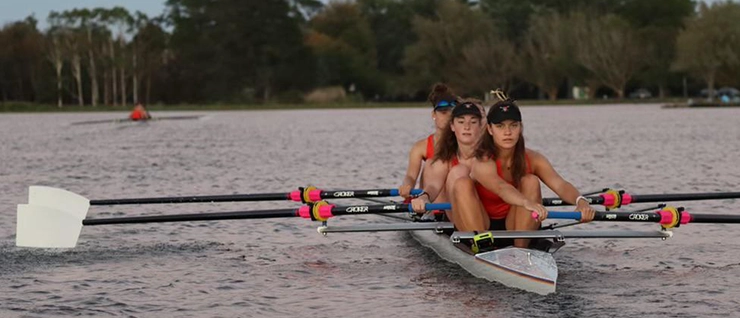
Selection is the point at which your philosophy becomes tangible, and it is a highly anxious time where the trust you are building is either reinforced or eroded.
Athletes rarely expect constant success, but they do need to believe that each opportunity is earned. If a rower senses that another athlete has progressed because of influence, reputation, or parental presence, the cultural damage extends beyond a single crew selection. Morale will start to decline, training intensity softens, and quiet resentment can take root.
For that reason, selection processes need to be transparent, data-driven, and scheduled so that athletes can recognise a clear pattern between effort, performance, and outcome. If coaches want to make changes or test combinations, this process must sit within a framework that is pre-planned and can be explained honestly. Even difficult or unexpected decisions can be respected when the reasoning is transparent.
This requires uncomfortable conversations. Coaches must be willing to tell an athlete that they have not made a crew, to articulate why, to outline what improvement would look like, and to explain if or when they might get another chance to earn their seat. Avoiding these conversations because they are uncomfortable or upsetting often creates greater insecurities over time. When selection explanations are thoughtful and consistent, parents begin to see that their children are effectively determining their own trajectory through their work ethic and performance.
It may take several seasons for that culture to fully embed, particularly in schools where selection has historically been more fluid or influenced by external voices. However, when consistency is protected and sustained, the result is that athlete, parental, and institutional trust grows incrementally.
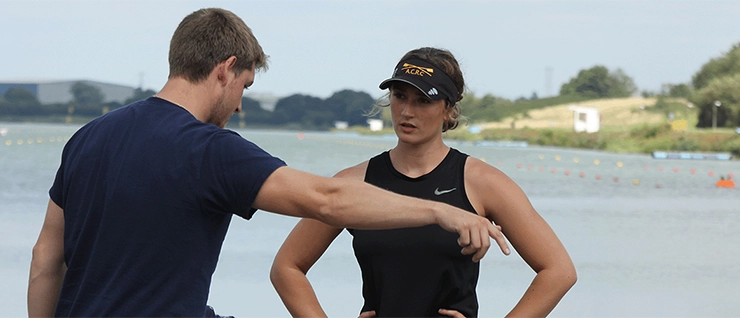
Parents are more likely to support what they understand.
When the training structure, philosophy, seasonal objectives, and workload expectations are outlined early and revisited regularly, parents are better prepared to interpret what their child experiences across a demanding season. Fatigue, disappointment, or emotional setbacks are then no longer seen as isolated incidents that require intervention, but as part of the program's broader developmental arc.
In programs where communication is limited or reactive, parents will often fill in the gaps with assumptions, incomplete information, or partial truths. Those assumptions can quickly turn into advocacy, particularly if a child comes home frustrated or upset. In contrast, when parents have been brought into the philosophy of the program and understand why their child is reacting a certain way, they are more likely to reinforce the coach's message at home rather than counter it.
This type of communicative relationship requires thoughtful correspondence at key moments: the beginning of the season, prior to major regattas, around selection periods, and during high-stress school events. When the majority of parents feel informed and can trust that the program is being implemented as described, isolated dissatisfaction from one family tends to lose momentum within the parent community itself.
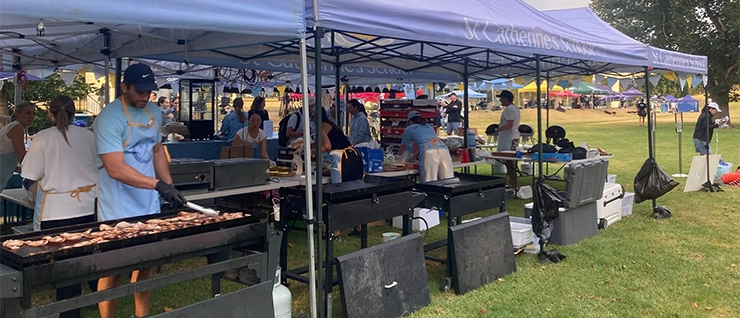
Across all the environments I have coached in, one pattern has remained consistent: parent behaviour rarely exists in isolation from the school's overall approach to leadership. Where schools maintain principled, consistent boundaries with parents across academic and co-curricular areas, rowing programs tend to benefit from the same stability. Where accommodation and negotiation are more common, similar expectations often surface in sport.
None of this suggests that parents must be distant for a rowing program to thrive. I have seen programs with minimal parental presence perform exceptionally well, and I have seen highly engaged parent communities contribute positively to performance outcomes. The determining factor has been whether the program protects fairness, maintains clarity of authority, and communicates its philosophy with enough consistency that trust has time to develop.
When athletes believe they have an equal chance, when parents trust the expertise of the coaching team, and when school leadership reinforces rather than dilutes that structure, the relationship between parents and coaches becomes a source of strength rather than friction.
For school administrators and Heads of Rowing, the work lies not in limiting parent involvement, but in designing the framework within which it operates. When done well, that framework allows enthusiasm, support, and ambition to coexist with integrity and performance, and it contributes to a healthy, respectful, and clearly bounded relationship with parents, which is a vital part of the broader rowing culture that creates success both on and off the water.

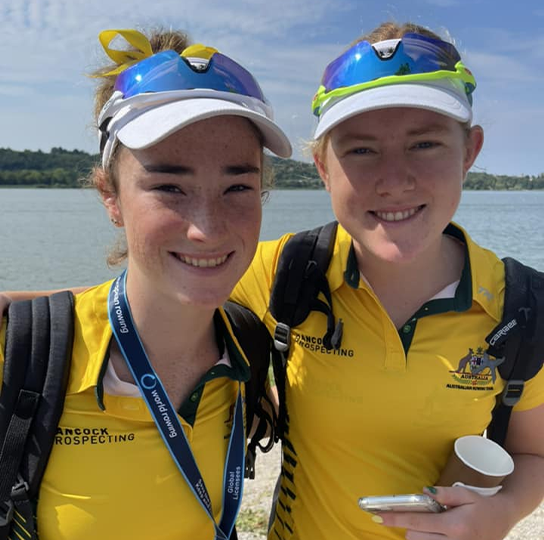
Nicki was my coach throughout my entire rowing journey at school, and she completely transformed the way I approached the sport. Her technical focus was next level, every session centred on quality over quantity. We constantly reviewed video footage, breaking down each stroke to make small but powerful improvements. She placed a big emphasis on controlling the controllables. From nutrition and recovery to mindset, ensuring we fuelled our bodies and trained smart. She was incredibly knowledgeable and supported each athlete's individual journey all the way to their peak performance.
Selected as stroke seat of Australian Under 19 Eight

Ratio Theory Rowing - Copyright . All rights reserved.
At Ratio Theory, we combine technical knowledge with strategic planning to help you gain back control, row faster, train smarter and perform at your best when it counts.