
One of the biggest mistakes a Director of Rowing or Head Coach can make is failing to invest time and energy into properly developing their up-and-coming coaches.
Most coaches are, quite simply, a product of their own coaching. Whether they learned the sport in a school or club environment, their understanding of rowing has been shaped almost entirely by what they were taught as athletes. Without intentional intervention, this knowledge, both good and bad, is passed on unchanged to the next generation.
This issue is amplified when coaches remain within the same school or club where they learned to row. The same technical habits, language, priorities, and blind spots are recycled year after year, unchecked. Over time, this limits consistency across squads and caps the long-term potential of the program.
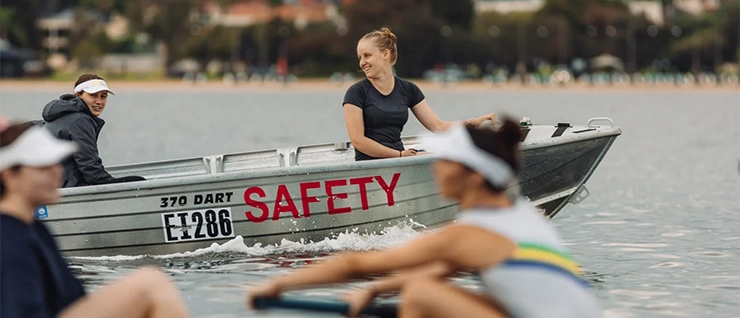
One of the most common breakdowns occurs when an athlete transitions into coaching. Athletes spend years fine-tuning their own performance, focusing on the one percenters such as minimising slip, refining their square release, or optimising subtle technical details. However, novice athletes do not need this level of detail.
In the first few years of rowing, particularly in learn-to-row or novice programs, focusing on fine technical adjustments is often the wrong thing to be coaching. Young athletes need fundamentals:
Without guidance, new coaches default to what they worked on most recently as athletes, rather than what their rowers actually need. Many have forgotten the process of learning to row and how they themselves were taught. This is where strong leadership is essential.
A Head Coach or Director of Rowing needs to ensure their coaching staff are equipped with the foundational knowledge required to build strong, confident athletes. This includes:
A unified rowing style
Ideally, a program operates with one technical model so athletes can move seamlessly from one crew to another without having to
change how they row.
Basic rigging knowledge
How to measure and adjust oars, span and spread, and understand core rigging principles.
Basic boat repairs
How to change wheels, reattach shoes to the footplate, move slides, put a seat back on the slide, and resolve other common issues faced
within the program.
Athlete setup fundamentals
Judging correct foot stretcher position, gate height, and basic ergonomic setup.
When coaches understand these basics, not only is the load on senior staff reduced, but more importantly, coaches gain agency. A coach who can fix small issues, answer athletes' questions confidently, and solve problems on the spot is a coach who enjoys their job and is more likely to stay with your program year after year.
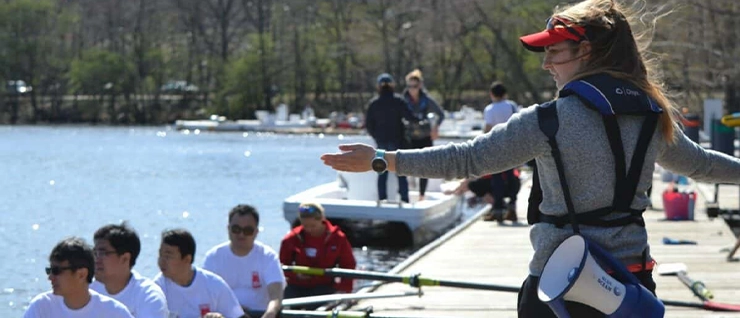
Athletes need to trust their coach. A coach who constantly has to run to their boss for every minor issue, or who ignores problems because they do not know how to fix them, will quickly lose credibility.
Conversely, a coach who is knowledgeable and solutions-focused builds confidence within their athletes. That confidence translates into better buy-in, stronger discipline, and a greater willingness to follow direction, both on and off the water.
When athletes have greater trust, confidence, and respect for their coaches, the entire program culture begins to shift. Athletes are more willing to follow instruction and leave the coaching to the coaches. When athletes feel they are being properly guided towards strong performances, they enjoy their rowing more. Increased enjoyment leads to higher retention, giving programs deeper and stronger squads to select from on selection day.
Directors of Rowing and Head Coaches must be willing to invest both time and money into the development of their coaching staff.
Gathering coaches for structured professional development workshops, where technical frameworks are clearly articulated, coaching approaches are aligned, and practical rigging knowledge is taught, is often the first thing sacrificed due to perceived lack of time, energy, or budget. In reality, this is one of the most effective ways to spend a rowing budget.
Repeated professional development sessions create alignment, confidence, and consistency across a program. The return on investment is significant. Fewer technical inconsistencies, smoother crew transitions, longer-tenured coaching staff, stronger athlete trust, improved culture, and better racing outcomes all follow. Time spent developing coaches is repaid on the water and on race day many times over.
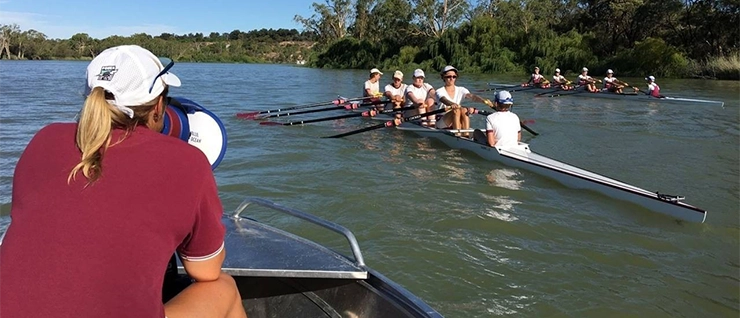
One of the most effective ways to support developing coaches is to provide a clear framework outlining what should be coached at each stage of an athlete's progression.
Benchmarks are invaluable here. Much like a learn-to-swim athlete would not be expected to jump in on their first day and swim 100 metres butterfly, rowers need clear, staged expectations. A simple checklist outlining what athletes should achieve by the end of the season, technically, physically, mentally, and on race day, gives coaches clarity and direction and helps prevent unrealistic expectations before they arise. When a coach gets lost down a tangent, they can refer back to the benchmark and refocus on their responsibility.
When each season builds logically on the previous one, athletes progress as a cohort rather than as isolated crews. When all coaches work within the same framework, athletes feel supported and develop together. By the time they reach senior training, cohesion across the squad is significantly stronger.
If you would like to see an example of the benchmark framework I have used, a framework that has allowed me to build programs that consistently win national medals, feel free to contact me.
Developing your coaches is one of the most powerful investments you can make in your program's future.

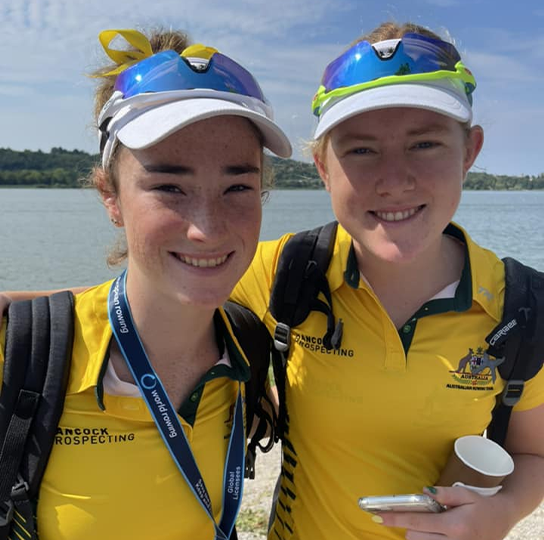
Nicki was my coach throughout my entire rowing journey at school, and she completely transformed the way I approached the sport. Her technical focus was next level, every session centred on quality over quantity. We constantly reviewed video footage, breaking down each stroke to make small but powerful improvements. She placed a big emphasis on controlling the controllables. From nutrition and recovery to mindset, ensuring we fuelled our bodies and trained smart. She was incredibly knowledgeable and supported each athlete's individual journey all the way to their peak performance.
Selected as stroke seat of Australian Under 19 Eight

Ratio Theory Rowing - Copyright . All rights reserved.
At Ratio Theory, we combine technical knowledge with strategic planning to help you gain back control, row faster, train smarter and perform at your best when it counts.